Two features that shape the side profile
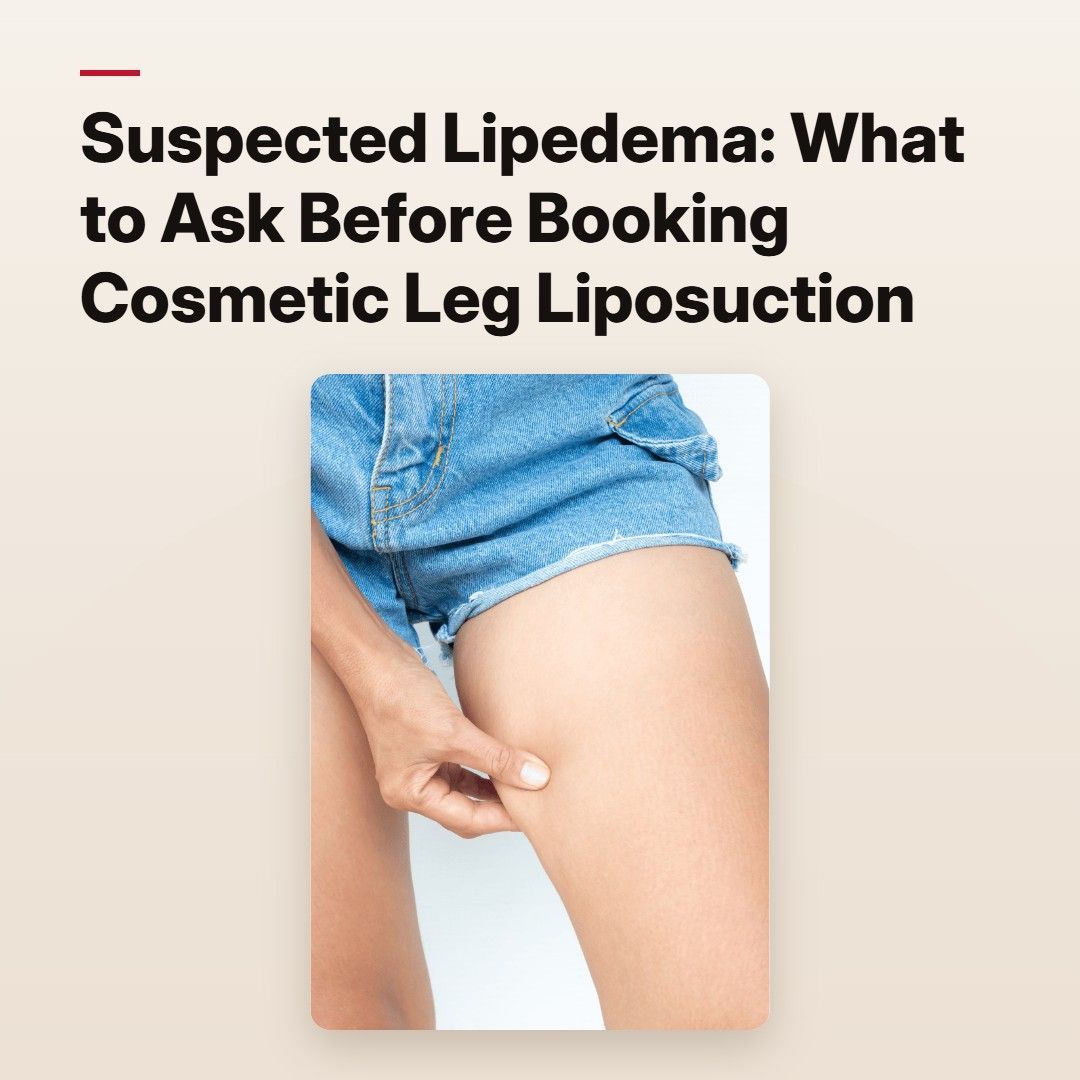
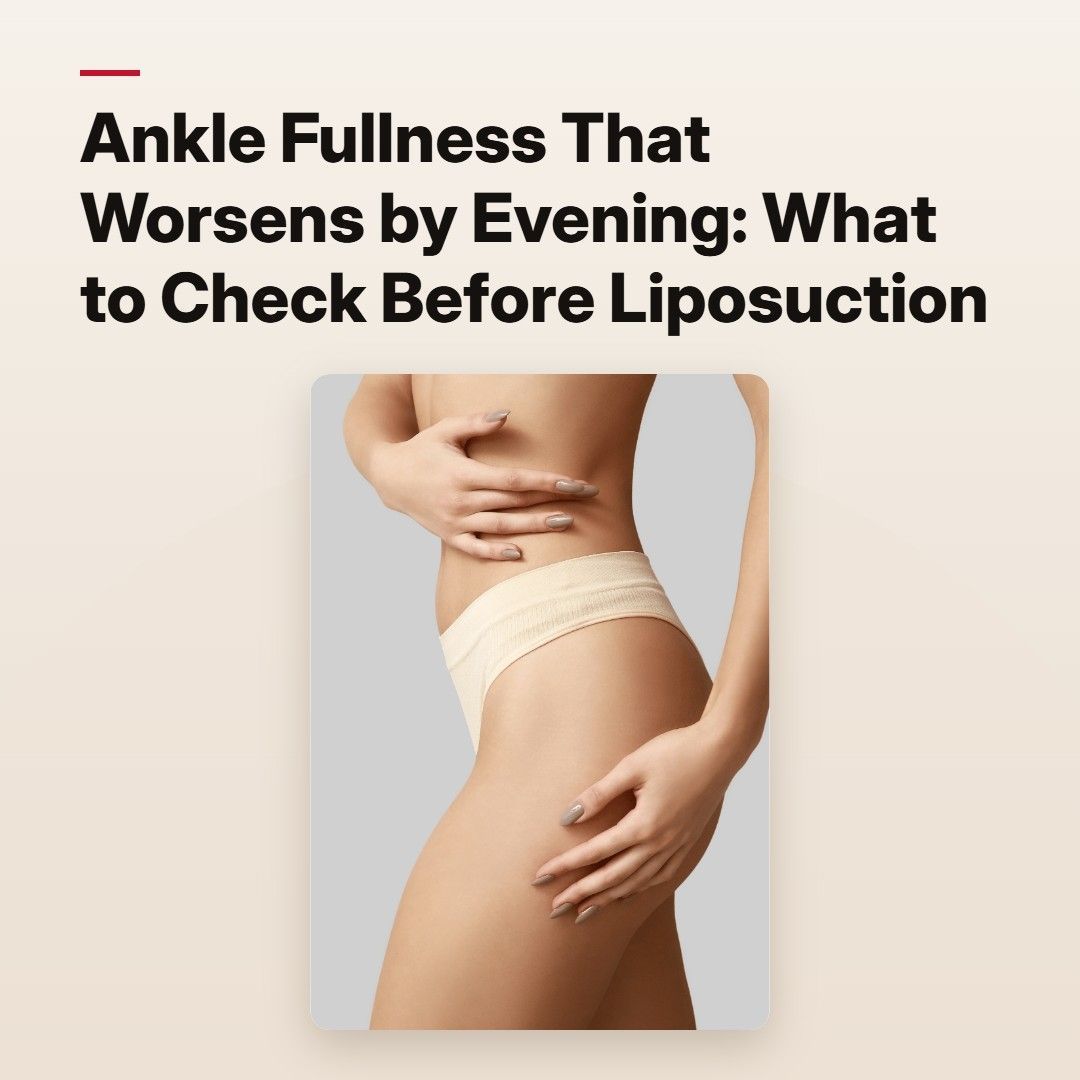
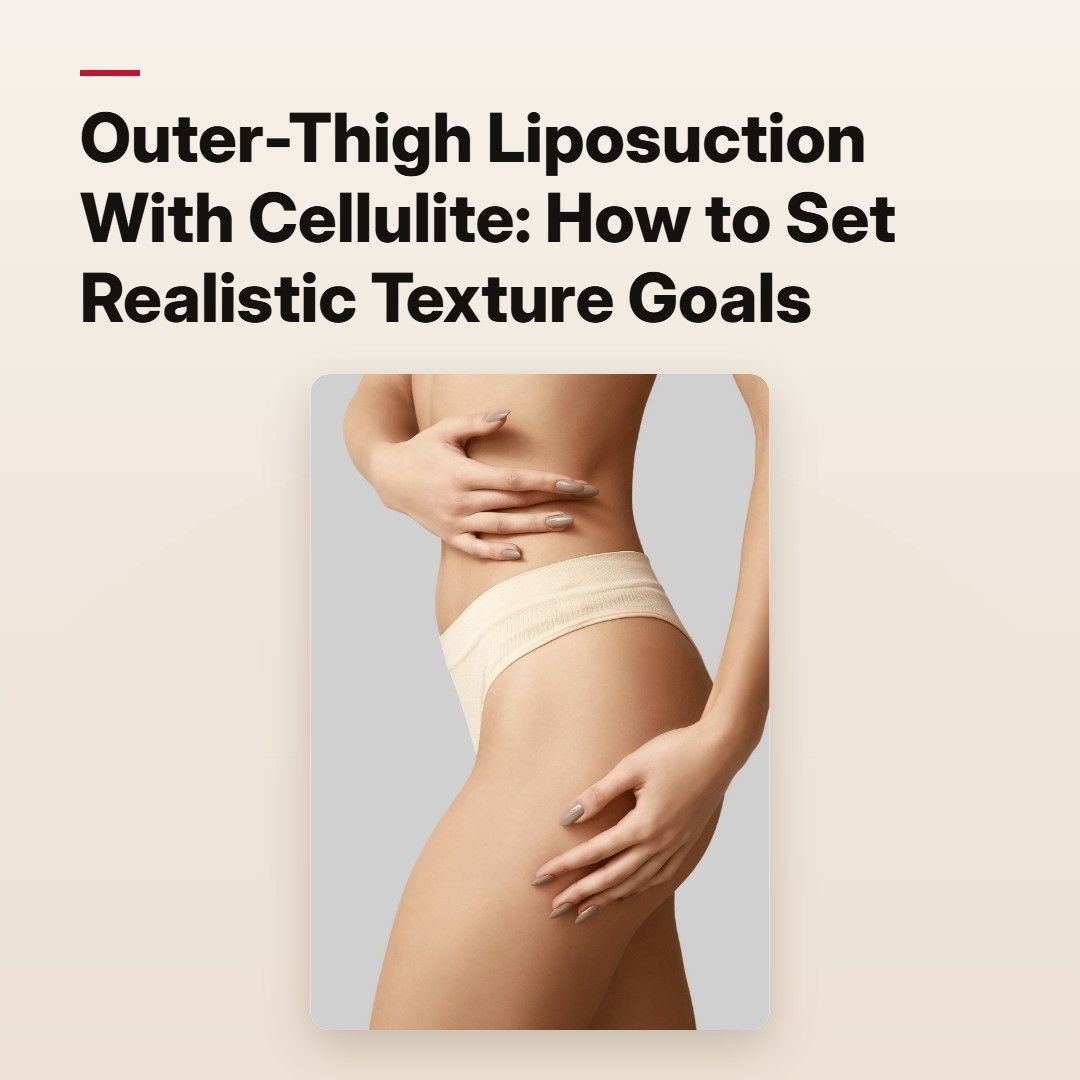
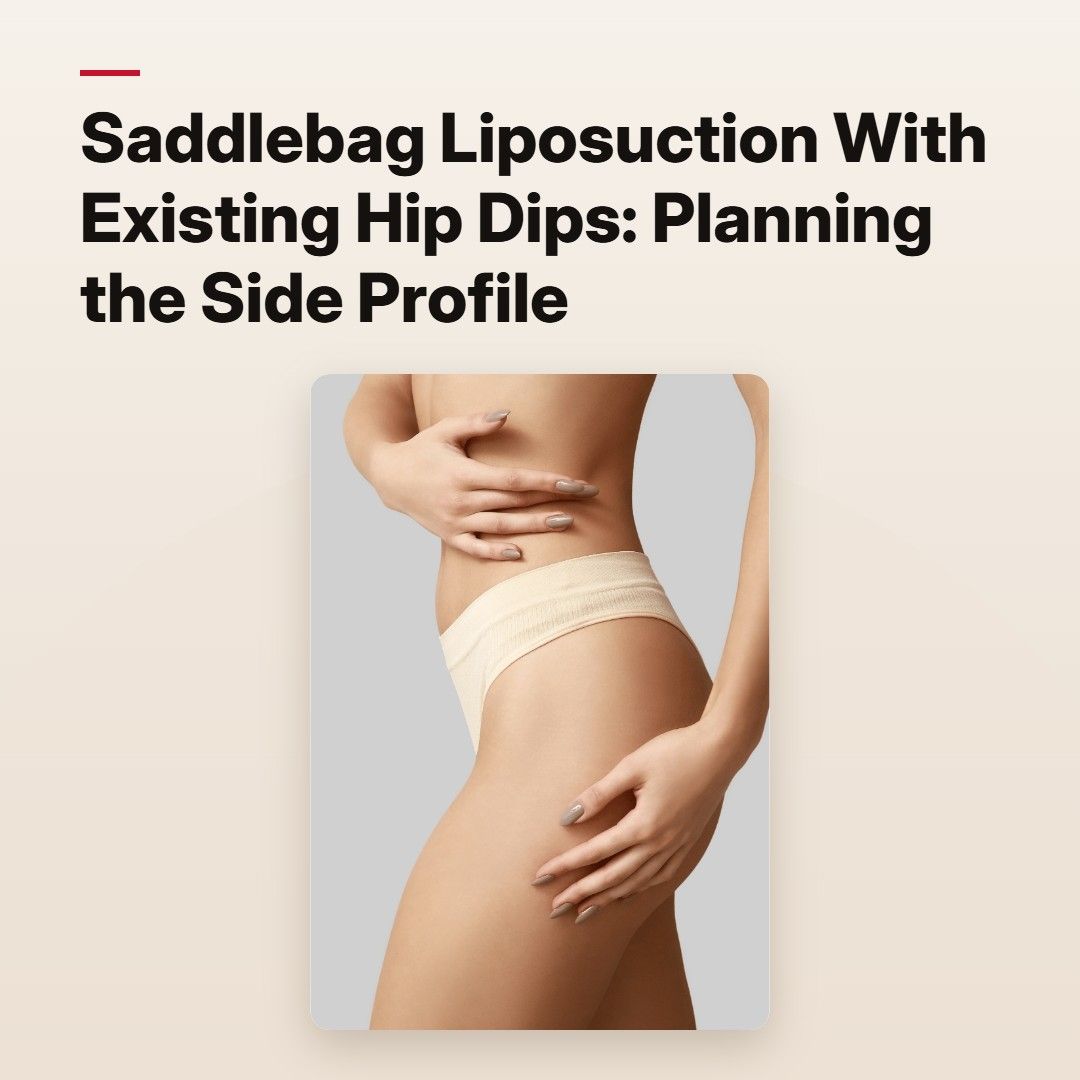
Saddlebags are areas of fat on the outer thighs, just below the hips, that create a bulge in the side profile. Hip dips are inward curves between the hip bone and the upper thigh. Many people have both, which produces a wavy outline: a dip at the hip followed by a bulge at the outer thigh. When planning saddlebag liposuction, the presence of hip dips matters a great deal, because removing outer-thigh fat changes how the dip above it looks. Careful planning helps create a smoother side profile rather than simply moving the irregularity.
What causes hip dips
Hip dips are mostly structural, and several factors contribute:
- The shape and width of the pelvis.
- The position of the hip joint and the top of the thigh bone.
- How the gluteal muscles attach and develop.
- The distribution of fat above and below the hip bone.
- Skin attachments that tether the tissue in the dip.
Because the skeleton plays a major role, liposuction cannot remove hip dips on its own.
Some degree of hip dip is present in most people and is a normal part of human anatomy. Whether it is a concern depends on how visible it is and on personal preference rather than on any medical need.
How saddlebag fat changes the outline
Saddlebag fat sits below the hip dip and pushes the outer thigh outward. This can make the dip look deeper by contrast. When the saddlebag is reduced, the outline may become straighter and smoother. In some people this softens the appearance of the dip. In others, especially if the dip is deep, reducing the bulge below it can make the dip look more noticeable because there is less fullness to balance it. Predicting which effect will occur is a key part of the consultation.
How the side profile is assessed
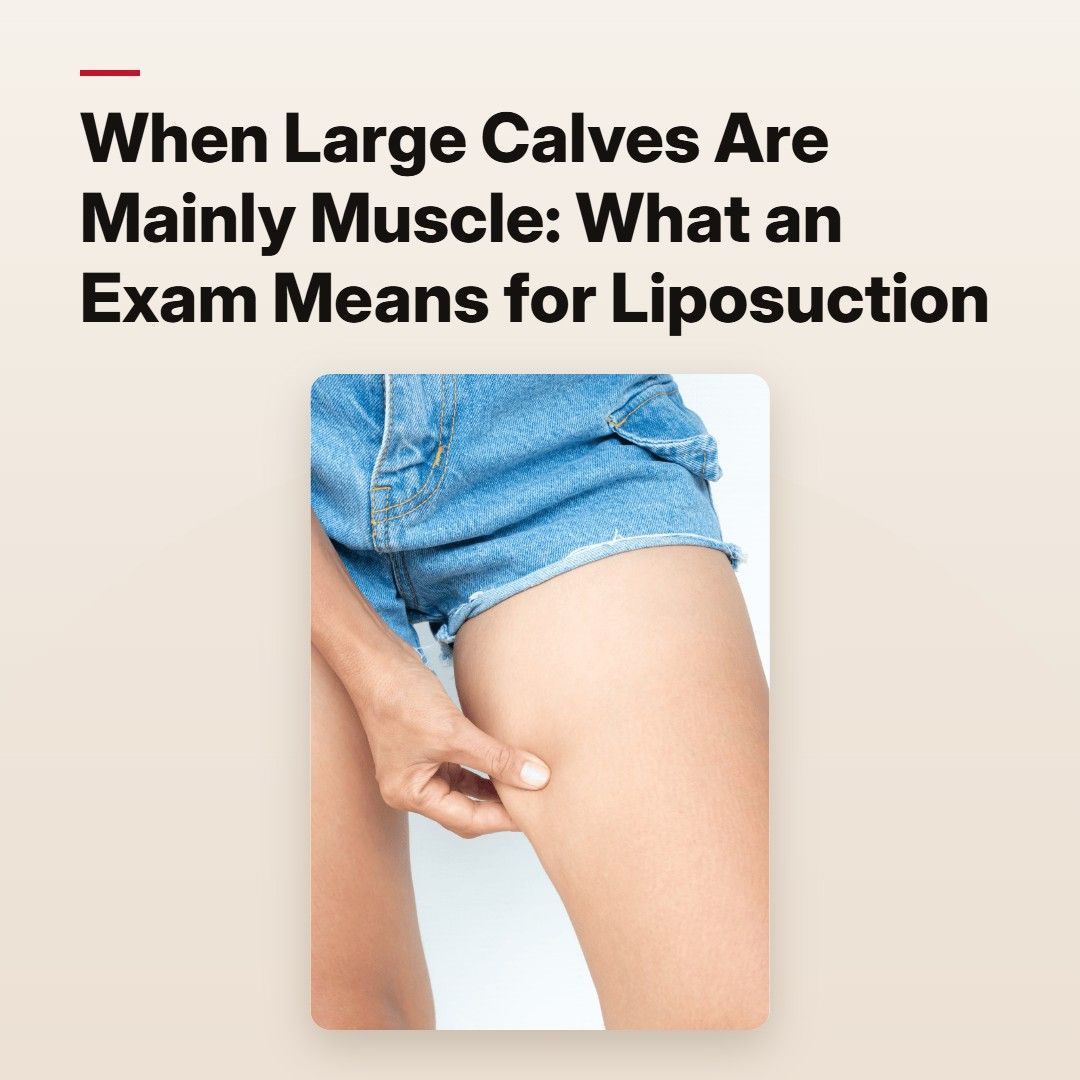
The surgeon looks at you standing from the front, back and both sides. They note the depth and height of the hip dip, the size and position of the saddlebag, and how both relate to the waist and buttocks. Pinch tests show how much fat is present at each level. Photographs from the side are particularly useful, because they show the full outline from the waist to the knee in one view and make it easier to discuss what smoothing would mean for you.
Options for planning
Several approaches may be considered, depending on your anatomy:
- Liposuction of the saddlebags alone, when the dip is mild.
- Liposuction of the saddlebags with careful blending above and below.
- Combining liposuction with fat grafting into the hip dip.
- Leaving some outer-thigh fullness to balance a deep dip.
- Addressing the waist and flanks to improve the overall curve.
Each option affects the side profile differently, so it helps to look at your own photos while discussing them.
When fat grafting is added
If the hip dip is a major concern, a surgeon may suggest transferring fat removed from the saddlebags or another area into the dip. This can smooth the outline from waist to thigh. Fat grafting has its own considerations, including the fact that some transferred fat does not survive and that a second session may be needed. Tissue tethering in the dip can also limit how much fat can be placed. These factors should be discussed openly before deciding.
Recovery and how the outline settles
After saddlebag liposuction, swelling can make the outer thighs look uneven for several weeks. If fat grafting is also performed, the grafted area may look fuller at first and then settle as some of the fat is absorbed. Compression garments help shape the area, but they should not compress the grafted zone too tightly. Most people see the final side profile emerge over a few months, and comparing standardised photos is the best way to judge it.
Questions to bring to your consultation
- How deep are my hip dips, and are they mostly bone or soft tissue?
- Will reducing my saddlebags make my hip dips more or less visible?
- Would fat grafting into the dips help my side profile?
- How much outer-thigh fat should be left for balance?
- What will my outline look like once swelling settles?
Planning saddlebag liposuction with your hip dips in mind is what leads to a smoother, more natural side profile. It also helps to remember that a perfectly straight line from waist to knee is rarely the goal. Most people look best with a soft, continuous curve that suits their own frame, and a good plan aims for that rather than for a shape copied from someone else.