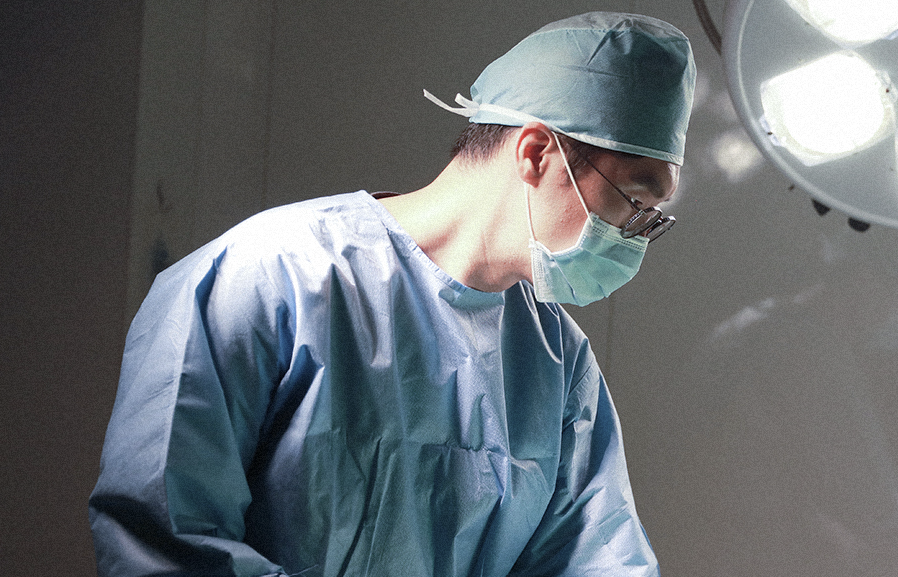

Medically reviewed by Dr. Kang Dae Won — Head Surgeon & Clinic Owner, BBAE Clinic. 10 years dedicated to liposuction; member, Korea Society for the Study of Liposuction.
Written by the BBAE international patient team from questions real patients ask us. Last reviewed . How we write & review
- Operation time
- ≈ 2–4 hours
- Anesthesia
- Sleep anesthesia
- Stay in Seoul
- 7–10 nights
- Typical price (est.)
- Face ₩2.5M+ · body ₩5M+
How fat transfer works
- Harvest Fat is gently removed by liposuction from the belly, flanks or thighs. Gentle, low-pressure harvesting keeps fat cells alive.
- Purify The fat is separated from fluid and damaged cells.
- Graft Tiny droplets are injected in many layers so each can find a blood supply.
- Aftercare You avoid pressure on the grafted area while the fat establishes itself.
Popular fat-transfer areas
- Face — forehead, temples, under-eye hollows, cheeks — see fat grafting
- Breasts — about one cup size, natural feel — see fat-transfer breast augmentation
- Hips — filling hip dips — see hip fat grafting
- Buttocks — shape and projection — see fat-transfer butt augmentation
Is it right for you?
You need enough donor fat — very slim people may not have enough for large-volume areas such as breasts or buttocks. Fat transfer gives a moderate, natural change; if you want a dramatic increase, implants may be discussed elsewhere. We'll assess your donor areas from photos.
How much grafted fat survives?
Not all transferred fat survives — commonly about 50–70% in well-selected areas, depending on the area, technique and how well you follow aftercare. Surviving fat is permanent living tissue. Swelling makes the first weeks look bigger; the stable result shows at about 3 months. A second session is sometimes planned for more volume.
Cost
Price includes the donor-area liposuction. Typical ranges: face ₩2.5–5M, breast ₩5–9M, hips/BBL ₩5–10M. See breast and BBL & hip cost guides.
Risks and how we reduce them
Every liposuction carries risks, including bruising, swelling, temporary numbness, contour irregularity, fluid collection (seroma), infection and, rarely, blood clots. We reduce them with pre-operative health screening, sleep anesthesia monitored throughout, conservative safe-volume limits, round-tipped micro-cannulas, compression and structured aftercare. Specific to grafting: partial fat absorption, small oil cysts or firm lumps, and asymmetry. Read more: is liposuction safe in Korea?
Frequently asked questions
Is fat transfer permanent?
The fat that survives the first 2–3 months is living tissue and stays. It changes with your weight like any other fat.
Where is the fat taken from?
Usually the belly, flanks or thighs — areas you'd like slimmer anyway.
Can I have fat transfer if I'm slim?
For small areas like the face, yes. For breasts or buttocks you need enough donor fat; we'll check from photos.
How long should I stay in Seoul?
About 7–10 nights.
Sources & medical references
- American Society of Plastic Surgeons — Liposuction
- Mayo Clinic — Liposuction: overview, risks and recovery
- NHS (UK) — Liposuction
This page is general information, not a diagnosis. A BBAE doctor confirms whether liposuction suits you after reviewing your photos and examining you in person. Prices are estimated Seoul market ranges, not quotes.