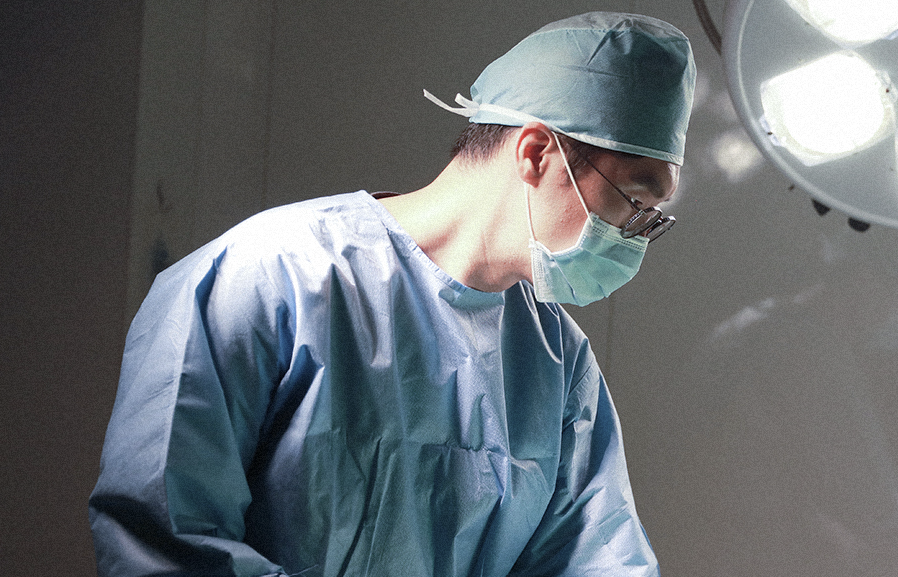
Medically reviewed by Dr. Kang Dae Won — Head Surgeon & Clinic Owner, BBAE Clinic. 10 years dedicated to liposuction; member, Korea Society for the Study of Liposuction.
Written by the BBAE international patient team from questions real patients ask us. Last reviewed . How we write & review
- Biggest safety factor
- Surgeon experience
- Ask for
- Named surgeon in writing
- Anesthesia
- Monitored sleep anesthesia
- Before flying
- Surgeon check-up
The short version
Liposuction's safety depends far more on the clinic and surgeon than on the country. The biggest risk factors worldwide are inexperienced operators, too much fat removed in one session, combining too many procedures, poor monitoring, and inadequate aftercare.
Known risks of liposuction
- Common and temporary: bruising, swelling, soreness, numbness
- Contour irregularities, dents or asymmetry
- Fluid collection (seroma) and infection
- Skin changes, scarring at incision sites
- Rare but serious: blood clots (DVT/PE), fat embolism, anesthesia complications, organ perforation
How to check a Korean clinic
- Who will operate? Ask for the named surgeon and their credentials — avoid 'ghost surgery'
- How many liposuction procedures does the clinic perform?
- Is anesthesia monitored throughout, with emergency equipment on site?
- Are safe volume limits explained?
- What aftercare and follow-up are included — and how do they help you after you fly home?
- Is the clinic registered for international patients? See Medical Korea
How BBAE reduces risk
- Only three named fat-surgery doctors operate — see credentials
- 19,256+ liposuction and fat-transfer surgeries as of August 2026
- Pre-operative health screening; we decline or stage cases that exceed safe limits
- Tumescent technique and sleep anesthesia with monitoring throughout
- Round-tipped micro-cannulas and conservative removal in thin areas
- Check-up before you fly; WhatsApp follow-up after you're home
Your part
Tell us all medications, supplements and conditions; stop smoking; follow compression and walking instructions; and don't fly too soon. See flying after liposuction.
Frequently asked questions
Is it safe for foreigners to have liposuction in Korea?
Yes, when you choose an experienced clinic, share your medical history, and allow enough days in Seoul for check-ups before flying.
What is the most dangerous thing about liposuction?
Rare but serious complications such as blood clots and fat embolism. Risk rises with large volumes, many combined procedures and poor monitoring.
How do I know who will perform my surgery?
Ask for the surgeon's name in writing. At BBAE, one of three named doctors performs every surgery.
What happens if I have a complication after I fly home?
Message us immediately with photos; for urgent symptoms like chest pain or breathlessness, seek emergency care locally.
Sources & medical references
- Mayo Clinic — Liposuction: overview, risks and recovery
- American Society of Plastic Surgeons — Liposuction
- Medical Korea (KTO & KHIDI) — official portal for international patients
This page is general information, not a diagnosis. A BBAE doctor confirms whether liposuction suits you after reviewing your photos and examining you in person. Prices are estimated Seoul market ranges, not quotes.