Why the chin matters for a double chin
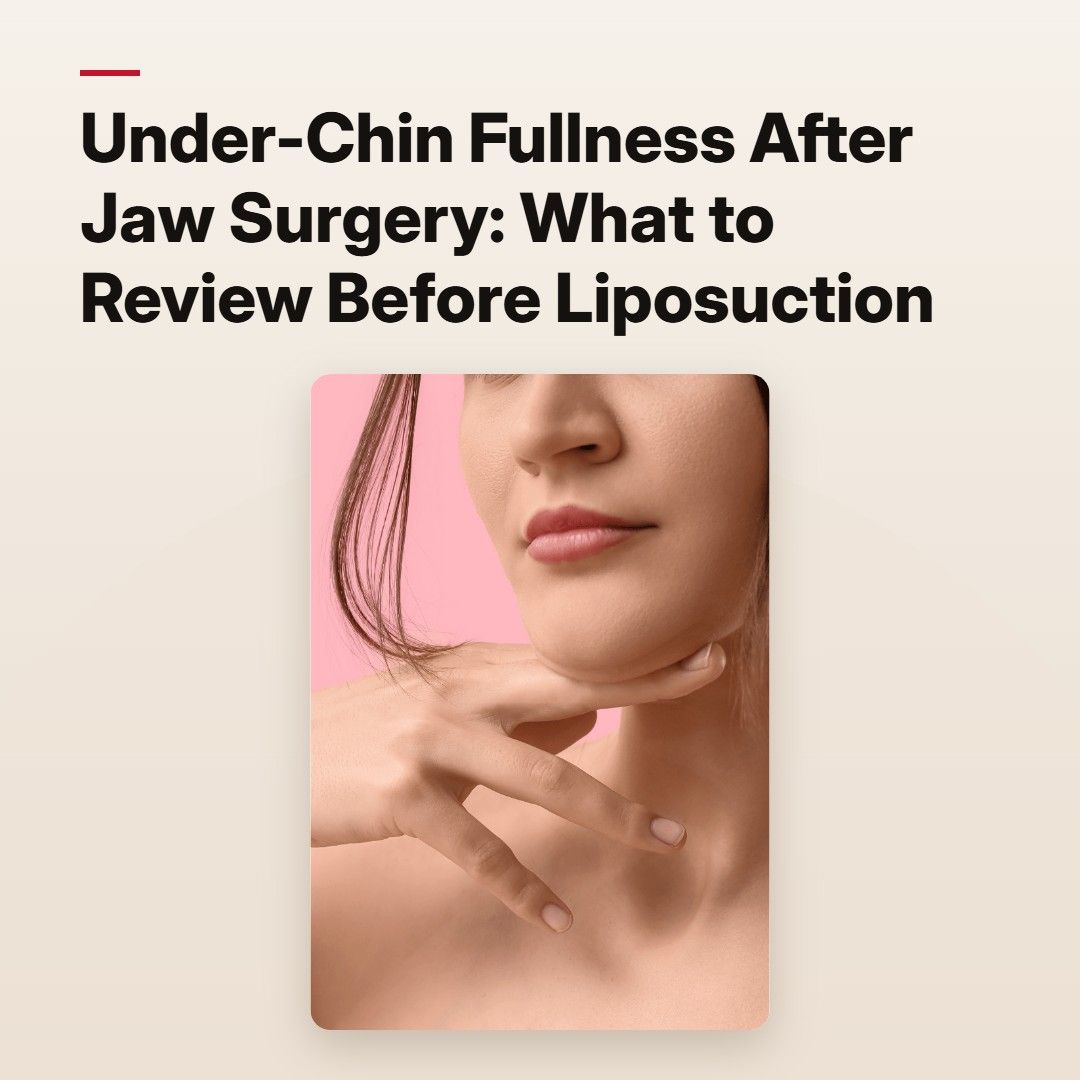
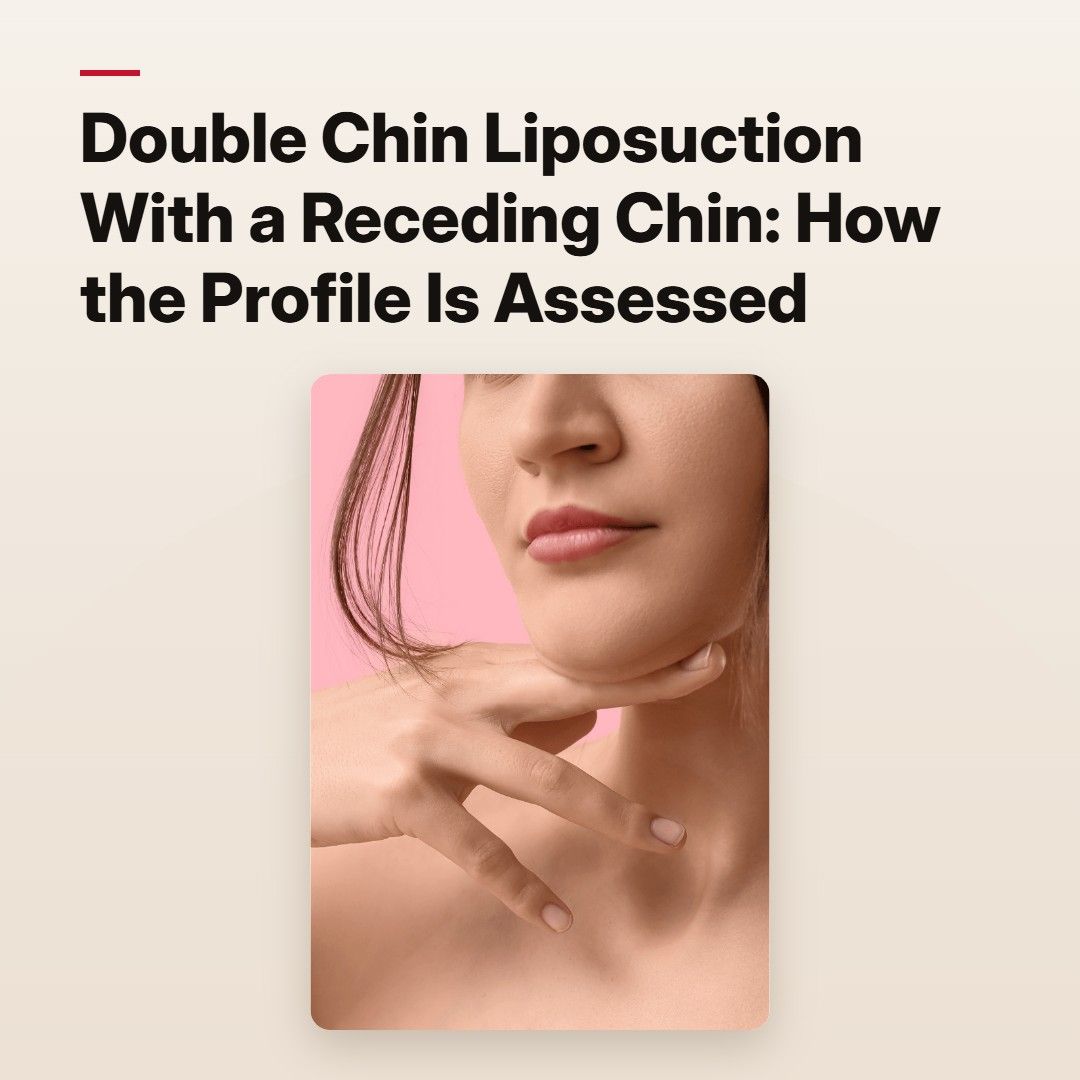
A double chin is often thought of as simply excess fat under the jaw. In reality, the appearance of the neck and jawline depends a great deal on the chin itself. When the chin is small or set back, called a receding or retruded chin, the soft tissue beneath it has less support. Even a modest amount of fat can then look like a large double chin. Liposuction can reduce fat under the chin, but if the chin is receding, the profile may still look soft after treatment. Assessing the chin is therefore a key part of planning.
Many people only realise this when they see a side photo of themselves taken by someone else, because the angle exaggerates the soft area under the jaw. Those photos are worth bringing, as they show exactly what bothers you.
What creates the profile
The side profile of the lower face is shaped by several features:
- Chin projection: how far the chin extends forward.
- Jaw angle and length: which define the jawline.
- Fat under the chin: the layer liposuction can treat.
- Neck muscles and skin: which affect how tight the neck looks.
- Hyoid bone position: a low position can blunt the neck angle.
- Posture: a forward head posture can exaggerate fullness.
How the profile is assessed
The surgeon looks at your face from the front and both sides while you sit or stand with your head in a natural position. They often assess the angle between the neck and the jaw, the position of the chin relative to the lips and nose, and the amount of fat under the chin. Pinch tests help estimate fat thickness. Photographs from the side with the head level are particularly useful, because tilting the head up or down can change the appearance considerably.
Signs of a receding chin
Several observations suggest the chin may be contributing to the double chin:
- The chin sits behind an imaginary vertical line from the lower lip.
- The neck appears to blend into the chin with little definition.
- The lower lip may look prominent compared with the chin.
- The fullness under the chin persists even with low body fat.
- Biting and jaw alignment may also be affected.
If jaw alignment is a concern, an assessment by a dental or jaw specialist may be suggested.
What liposuction can and cannot do
Liposuction can reduce the fat under the chin and along the jawline, which may improve definition. However, it does not change the bone structure. In people with a receding chin, reducing fat alone may lead to a modest improvement, but the profile may still look less defined than hoped. Understanding this before surgery helps set realistic expectations and opens a discussion about whether additional procedures might help.
It is also important to know that the skin under the chin needs to retract after fat removal. Younger, firmer skin usually adapts well, while looser skin may need a different approach.
Options that address chin projection
If a receding chin is a significant factor, a surgeon may discuss ways to increase chin projection:
- A chin implant, placed through a small incision.
- Chin filler, which adds projection temporarily.
- Fat grafting to the chin in selected cases.
- Jaw surgery when there is a significant bite problem.
Combining liposuction with chin augmentation can create a clearer jawline than either procedure alone, but each option has its own risks and recovery.
Recovery and how the profile settles
After double chin liposuction, swelling and bruising under the chin are common for a few weeks. A chin strap or compression garment may be recommended to help the skin settle. If chin augmentation is also performed, there may be additional swelling and some temporary stiffness. The final profile usually becomes clear over a few months. Photographs taken at regular intervals in the same position make it easier to judge the change.
Questions to bring to your consultation
- How much does my chin position contribute to my double chin?
- How much improvement can liposuction alone provide?
- Would a chin implant or filler help my profile?
- Should my bite or jaw alignment be assessed?
- How will my profile look once swelling settles?
Assessing the chin alongside the fat beneath it helps create a plan that improves the whole lower face profile. Many people are surprised by how much the chin influences the neck, and understanding this link often leads to a more satisfying result.