Why the transition matters more than the waist alone
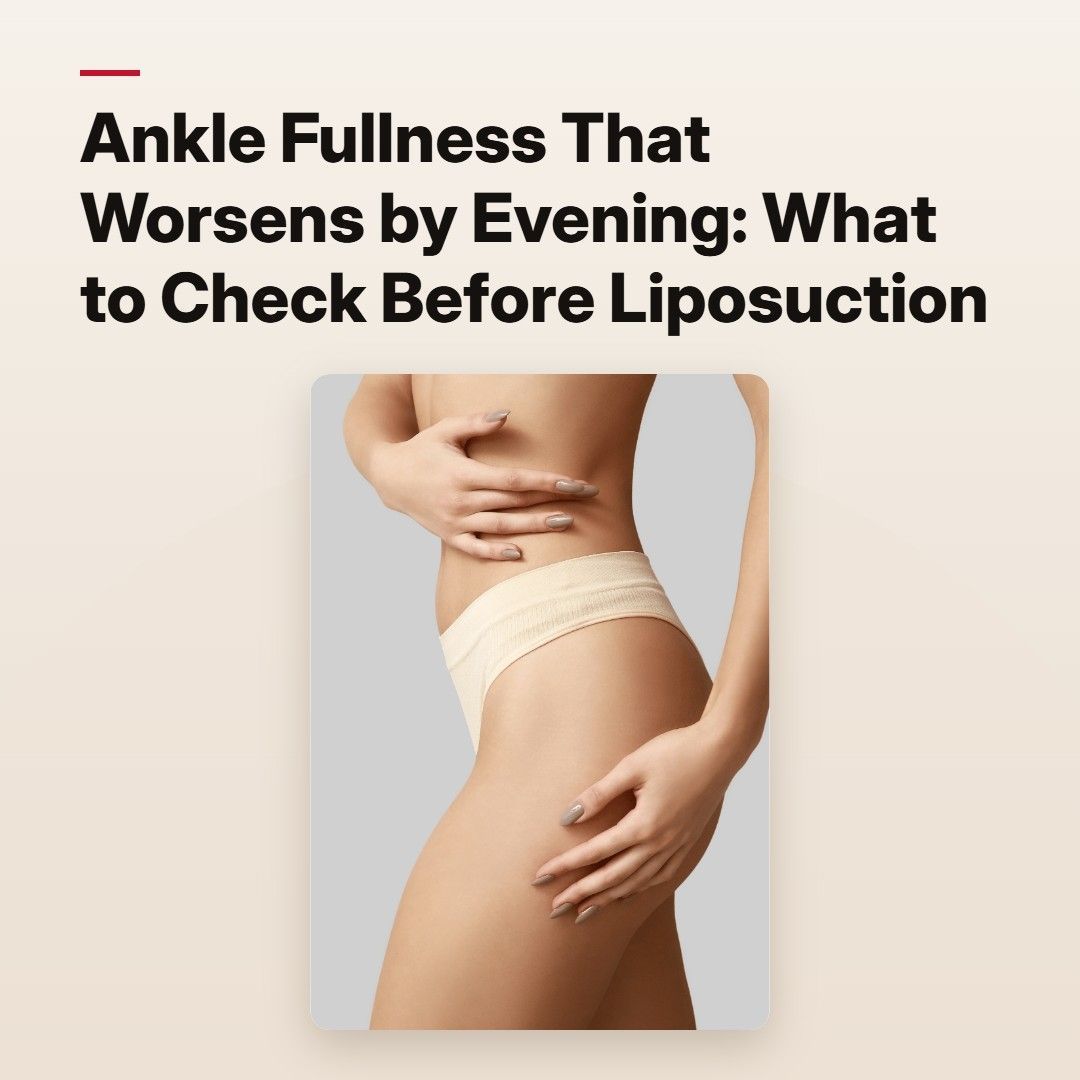
When people ask for a smaller waist, they are usually asking for a better curve. The eye reads shape through transitions: how the waist narrows and then flows into the hips. Removing fat from the waist alone can make the area slimmer, but if the line into the hips is abrupt, flat or uneven, the result can look unnatural. Planning this transition is one of the key skills in body contouring, because it decides whether the torso looks balanced from the front, the back and in profile.
The anatomy behind the curve
Several structures shape the waist-to-hip line, and only some of them can be changed:
- Rib cage: the width and angle of the lower ribs set the upper limit of the waist.
- Pelvis: the width of the hip bones sets the lower frame.
- Torso length: a short distance between ribs and pelvis leaves less room for a visible curve.
- Flank fat: the soft tissue that liposuction can reduce.
- Hip fat: which may be kept, reduced or, in some plans, enhanced.
Assessing your frame
The surgeon looks at your body from all sides while you stand naturally. They note where your natural waist sits, how wide the rib cage is compared with the pelvis, and how much fat lies over the flanks and upper hips. Pinch tests at several levels show where the soft tissue is thickest. Photographs taken from the front, back and both sides make it easier to discuss proportions and agree on a goal that fits your skeleton.
The surgeon may also ask how you want clothing to fit, such as whether trousers gape at the back of the waist or whether fitted dresses pull at the hips. These everyday details often reveal which part of the transition bothers you most and help prioritise treatment.
Where fat is removed
To create a smooth transition, treatment usually covers more than the waist itself:
- The flanks, where love handles sit above the hip bones.
- The lower back, which affects the curve seen from behind.
- The upper hip or outer thigh, when fullness interrupts the line.
- The abdomen, so the front and side views match.
Treating these zones together avoids a narrow waist sitting awkwardly above fuller areas that were left untouched.
Where fat is preserved
Just as important is knowing where not to remove fat. Over-treating the upper hips can flatten the curve and create a straight, boxy profile. Removing too much from the lower back can leave a step above the buttocks. Many surgeons deliberately keep some fat at the hip shelf to maintain a soft curve. This balance between reduction and preservation is what gives the result a natural look rather than an overly sculpted one.
Preserved fat also protects against irregularities. A thin, even layer left over the hip bones and lower back helps the skin drape smoothly, which matters for long-term results as the body ages and the skin gradually loses some elasticity.
When fat grafting is added
Some people have a narrow waist but a dip or flat area at the side of the hips. In these cases a surgeon may discuss transferring some of the removed fat into the hips to smooth the line. This approach can soften hip dips and strengthen the curve, but it has its own considerations:
- Not all transferred fat survives, so results can vary.
- There must be enough suitable donor fat elsewhere.
- Recovery involves both the treated and grafted areas.
- More than one session may be needed for the desired shape.
Recovery and how the curve settles
Swelling around the waist and hips can make the transition look uneven for several weeks. Compression garments help the tissue settle, but their edges should not dig in at the waist, because that can leave temporary ridges. Most people see the shape emerge gradually over a few months. Judging symmetry and smoothness too early can be misleading, so follow-up photographs taken at regular intervals are usually more reliable than daily mirror checks.
Questions to bring to your consultation
- Where is my natural waist, and how much can my frame change?
- Which areas will be treated to create a smooth transition?
- Where will you deliberately preserve fat?
- Would fat grafting to the hips help my shape?
- How will you check the curve from behind and in profile?
Thinking of the waist and hips as one continuous line, rather than separate targets, is what allows liposuction to produce a shape that looks like it belongs to your body. It also helps you judge any proposed plan, because a surgeon who explains the whole curve rather than one area is usually thinking about how the result will look in daily life.