Why inner-thigh chafing happens
Inner-thigh chafing occurs when the skin of the thighs rubs together during walking, running or other movement. Friction, heat and moisture can cause redness, irritation, a burning feeling and sometimes broken skin. It is common in warm weather and in people who walk a lot. Many people who experience it wonder whether liposuction could reduce the contact between the thighs. In some cases it can help, but the outcome depends on what causes the contact and on realistic goals for the area.
For some people chafing is a minor nuisance, while for others it limits exercise, travel or the clothes they feel comfortable wearing. How much it affects your daily life is worth describing clearly, because it helps the surgeon understand what kind of improvement would matter to you.
What contributes to thigh contact
Several factors influence whether the inner thighs touch:
- Fat in the inner thigh: particularly the upper part near the groin.
- Skin laxity: loose skin can fold and rub even with modest fat.
- Muscle bulk: strong adductor muscles add width to the inner thigh.
- Pelvic width and leg alignment: the skeleton sets how close the thighs sit.
- Gait: the way you walk can increase or reduce friction.
- Clothing and moisture: fabrics and sweat affect how much the skin rubs.
How the inner thighs are assessed
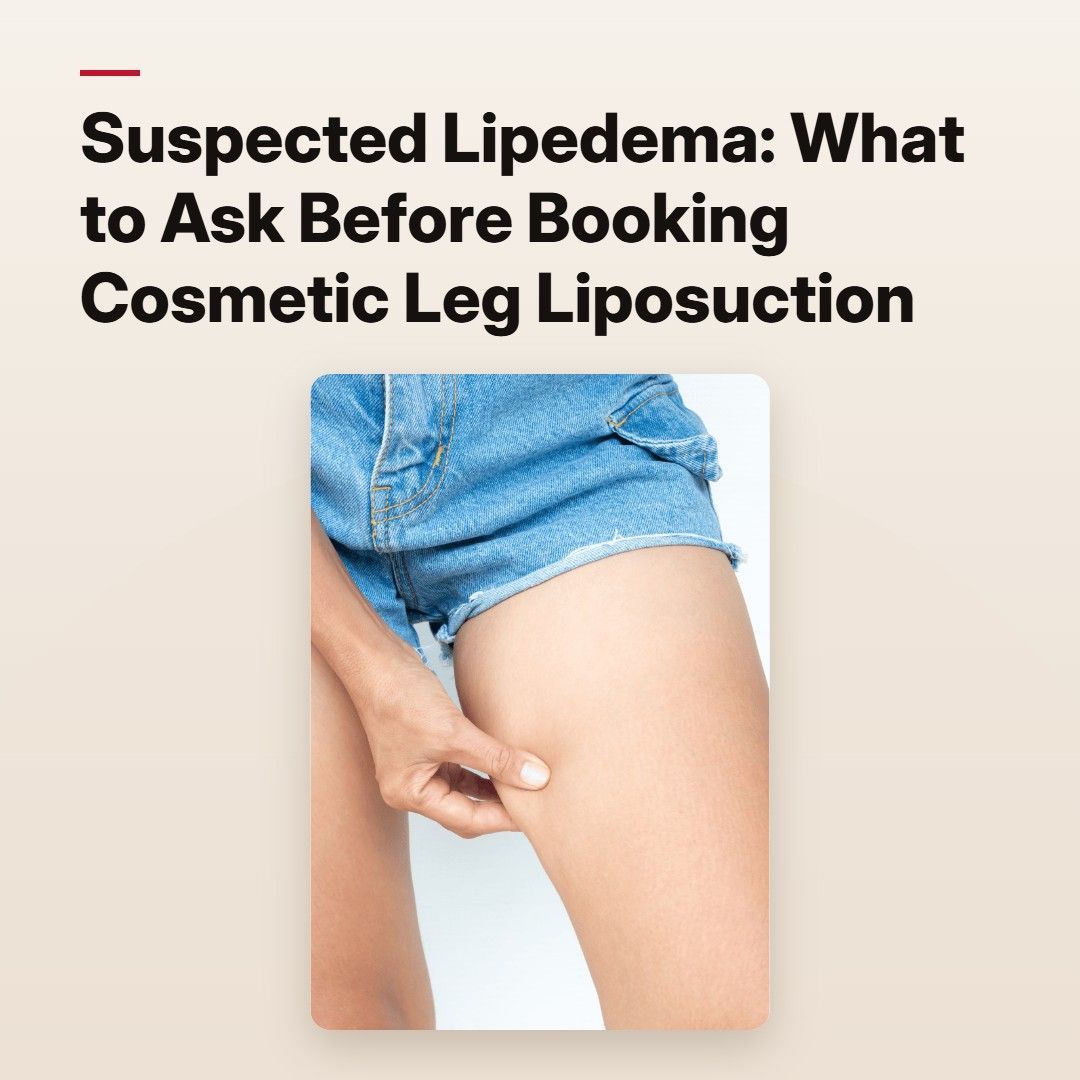
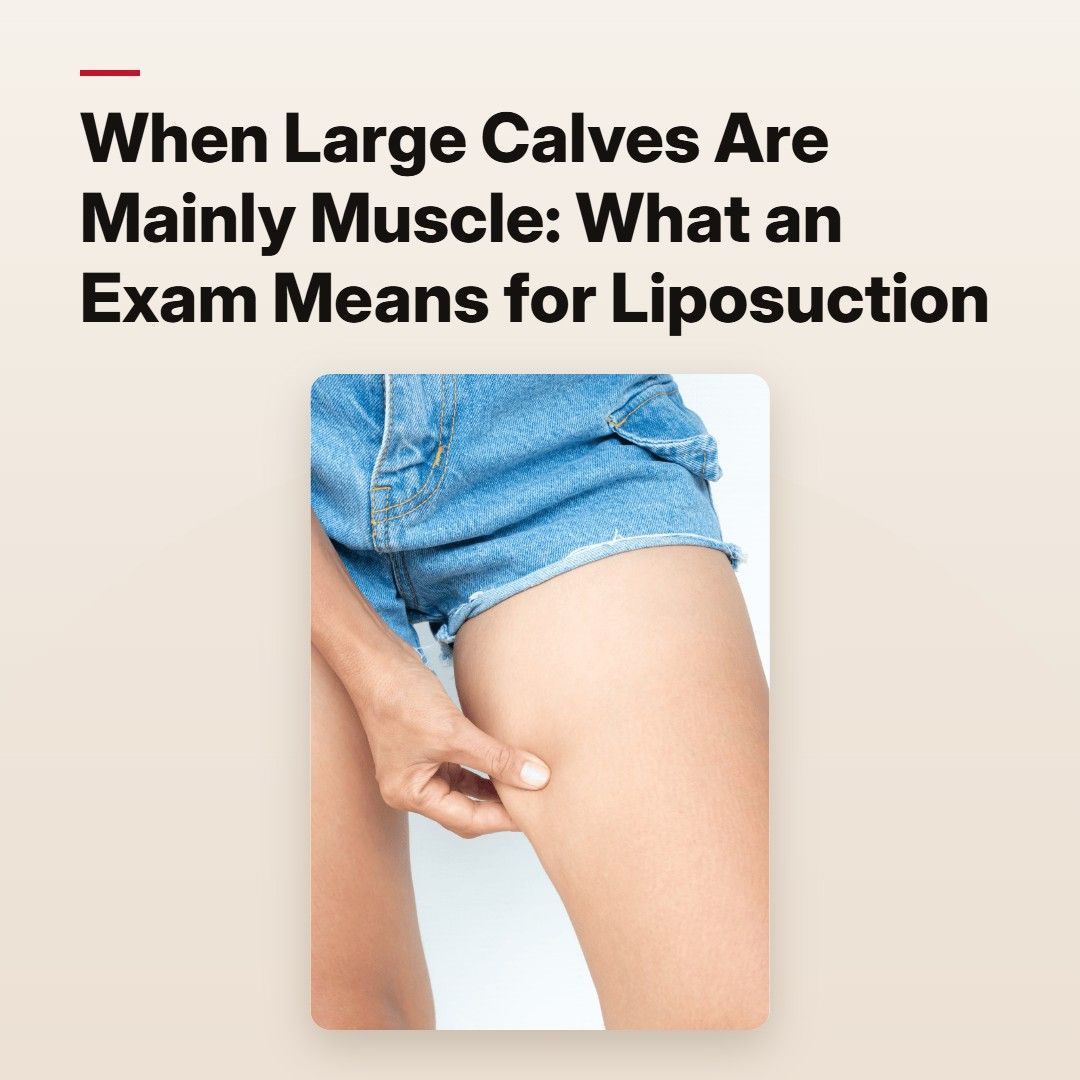
The surgeon looks at your thighs while you stand with your feet together and slightly apart, and while you walk a few steps. They note where the thighs touch, how high the contact begins and how much tissue is involved. Pinch tests show how thick the fat layer is in the upper and lower inner thigh. Skin elasticity is checked because inner-thigh skin is often thin and may not retract well after fat removal.
When liposuction may help
Liposuction can reduce chafing when the main cause is a pinchable layer of fat in the upper inner thigh and the skin quality is reasonably good. Reducing that fat can lessen how much the thighs press together during walking. Even if the thighs still touch, the reduced bulk may decrease friction and make irritation less frequent. The improvement tends to be greatest when the fat is concentrated high on the inner thigh near the groin.
Weight stability matters here too. If your weight changes significantly after surgery, contact between the thighs may return, so liposuction works best when your weight has been steady for some time.
When it may not be enough
Liposuction is less likely to resolve chafing when:
- The skeleton naturally places the thighs close together.
- Muscle bulk is the main source of width.
- Loose skin is causing the folds that rub.
- The fat layer is already fairly thin.
- Skin conditions or infections need medical treatment first.
In these situations other approaches, such as an inner-thigh lift for loose skin or practical measures for friction, may be more useful.
Practical measures alongside treatment
Whether or not you choose surgery, simple measures can reduce chafing. Anti-chafing balms, moisture-wicking fabrics, cycling shorts or slip shorts under skirts, and keeping the skin dry can all help. These are worth discussing because they also matter during recovery, when the skin may be sensitive. A surgeon may recommend continuing them after liposuction, especially in hot weather or during long walks.
Recovery and the inner thigh
Inner-thigh liposuction involves swelling and bruising that can make walking uncomfortable for a time. Compression garments help, but they must fit well to avoid rubbing at the groin. Keeping the area clean and dry supports healing. Most people can walk gently soon after surgery, though longer walks and exercise may be limited for a period. The effect on chafing usually becomes clearer once swelling has settled.
Loose, breathable clothing and a gentle routine of short walks are usually the most comfortable approach in the first weeks.
Questions to bring to your consultation
- Is my chafing mainly caused by fat, skin or my natural leg position?
- How much is liposuction likely to reduce contact between my thighs?
- Is my inner-thigh skin likely to retract well?
- Would an inner-thigh lift help more in my case?
- What can I do to manage chafing during recovery?
A clear discussion of what causes your chafing helps you decide whether liposuction is likely to bring the relief you want. Keeping a short note of when chafing happens, such as on long walks or in certain clothing, can make that discussion more specific and help the surgeon judge how much difference fat reduction could make.